


Schemas in Early Childhood
- Caroline Baughman

- Apr 3, 2023
- 4 min read
What are play Schemas?
Schemas are patterns of repeated behavior that support a child’s development by allowing exploration, experimentation, and ideas through play. There are 8 schematic play patterns in early childhood that can be used alone or with methods of education like Montessori or Reggio.
List of Schemas
Here is a list of the schemas, how to support the child, set the environment, and actions the child may present when in a schema.



Trajectory
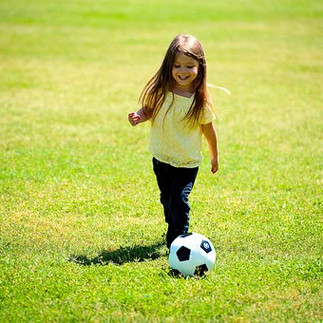
This schema is all about movement. The child tries to learn and experiment with concepts like motion, force, direction, cause and effect. This movement is typically along vertical, diagonal, or horizontal lines and is one of the earliest schemas that children experience. We see babies as young as 5-6 months in a highchair experimenting by dropping food onto the floor as an example of trajectory. We also often see children throwing items, dumping baskets or trays of toys in toddlerhood. For toddlers and preschoolers this may also present with the child running fast, knocking items over, trying to make objects fly through pretend play.
Supporting the child
Setting the environment is a great way to support the child in all schemas. Provide a basket of balls or other acceptable object to throw inside and outdoors. Likewise, a basket of things that move are great such as toy vehicles, spinning objects, marble runs, blowing bubbles, and paper or wooden airplanes. Children also move their own body during this time so allowing them to do activities such as swinging, climbing, running fast, spinning, and use of a scooter or bike.


Rotation
This schema is all about items that turn, rotate, and spin. Typically, it involves the child's own body but can also be objects. We see this in toddlers and preschoolers mostly. We can see children of all ages rolling balls across the floor or play with wheels on toy vehicles. Toddlers and preschools may also have interests in twisting ribbon or fabric, kaleidoscopes, water wheels, windmills, etc.. From a practical life standpoint they may show interest in stirring food or drinks, turning the water on or off to spin the tap, using a salad spinner or food processor. For their body we see children spinning in place, running in circles, going down spiral slides or poles, or rolling.
Supporting the child
Having open spaces is important for children to spin or run in circles so having open areas indoors or going outside in open areas is incredibly beneficial. Offering items they can use to spin such as tops, yoyos and string for older children, frisbees, toy vehicles or anything with wheels, hula hoops, also swings or play equipment that allows the child to spin.


Enclosing
This is typically seen in open and pretend play when the child creates an enclosure. Children can use blocks, create borders on art, make fencing for toy animals, ride bikes around a perimeter, create houses out of blocks or cardboard etc.
Supporting the Child
Open ended toys and materials are the best for supporting the child here. Provide items like blocks, magnetic tiles, duplo or lego style blocks, wood, natural materials like sticks and stones, toy farm and fencing is popular, along with fabrics like play silks or event small blankets.


Enveloping
The child becomes interested in wrapping objects or themselves in blankets, cloths, or paper. We see this with open ended play often, especially with dolls. The child may wrap them in blankets, tissues, or any other types of cloth while pretending to put them to sleep or out of the bath. Child can also cover themselves in hats and jewelry, in paint or mud, or wrap tightly/hide under blankets.
Supporting the child
Having props for the child is incredibly helpful here. Items like hats, jewelry, extra cloths and play silks, washcloths and blankets. Dolls are a great option for all children and dress up items can also be used. Leaving time for the child to have independent play is also critical.


Transporting
In this schema child becomes intent on moving items from one location to another. They enjoy using anything that will hold object including their hands, pockets, baskets, wagons, They are trying to understand where things belong, the concept of distance, and understanding their environment.
Supporting the child
Providing small things to carry and items to carry in is all you need! Smaller items like blocks, figurines, counters, rocks or other nature goodies like acorns and stones. Many things can be used to carry including baskets, bags, back packs, bowls, even water for older toddlers and preschoolers.


Connection
Children in a connecting schema will connect all kinds of items using various types of connection. It could be blocks, magnetic trains sets, Legos, paper, art supplies etc.. Children could also use materials to bind, such as tape, glue, string, ribbon, build chains out of paper, suspend items such as toys or flowers.
Supporting the Child
Art supplies are incredibly helpful for a child in connecting schema. So are age-appropriate blocks like duplo, lego, connects, etc.. Other items include magnetic tiles and items that go together like a lock and key, screwdriver/allen wrench and bolts/screws, and pattern blocks.


Positioning
The first thing we typically notice here is the child lining up items in rows. Child will also be seen positioning, ordering, or arranging items very specifically. It may include stacking and doesn't always mean straight lines or alongside each other. Children may also order based on size, colors, shapes, etc..
Supporting the Child
Prepare the environment with blocks, items that can be categorized by color, shape or size. this can be blocks, rocks, beads, counters, animal figurines, honestly anything that can be lined up in the space.


Orientation
Child in this schema are trying to view things from different positions such as upside down, bent over, between the legs, sideways, and may also build ramps or climb high to see from various viewpoints, use binoculars, roll around, use mirrors, look over ledges etc.
Supporting the Child
Allowing the child to climb, have freedom of movement, open space to maneuver in, items to climb, mirrors, binoculars, magnifying glasses, and maps or ways to get arial views.
Conclusion
I hope this was helpful for anyone working with or raising children. I am thinking of doing more blogs on each schema specifically or maybe 1-2 per post. Schemas can be so incredibly helpful in early childhood education and can be used in conjunction with multiple types of education methods. We do Montessori at home and homeschooling and it has been helpful with preparing our environment and myself.


Comments